

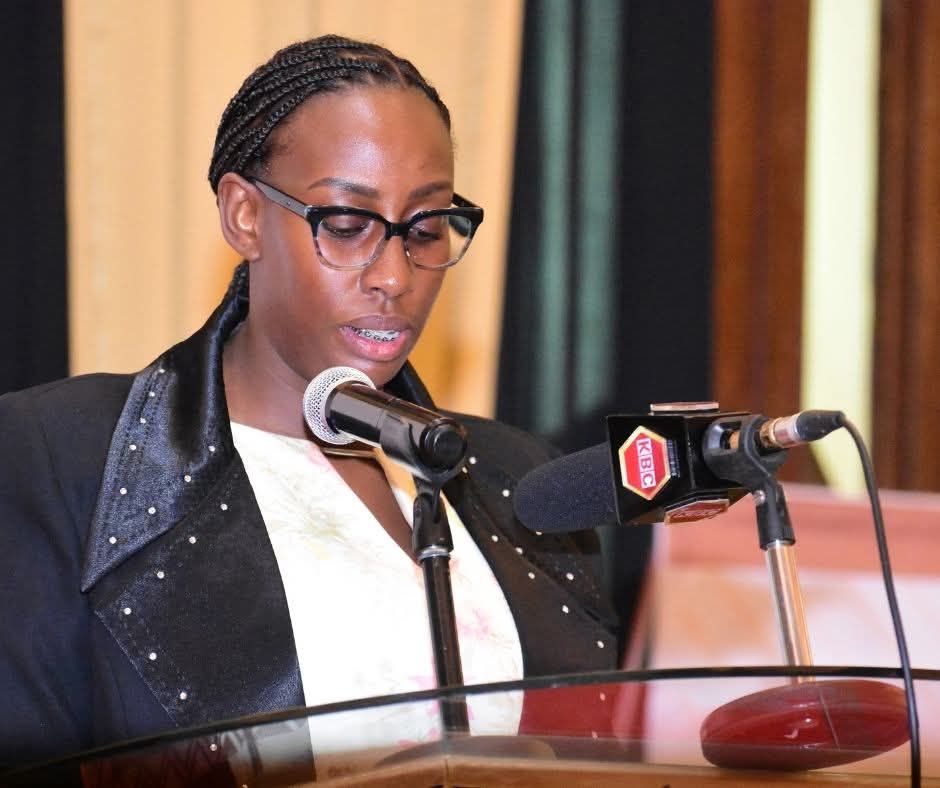
In Kenya’s coffee industry, a wave of reforms aimed at modernizing the sector has ignited a fierce debate, pitting the Nairobi Coffee Exchange (NCE) and its CEO, Lisper Ndung’u, against coffee brokers who feel increasingly sidelined.
The changes, rooted in the Crops Coffee General Regulations 2019 and the Capital Markets Coffee Exchange Regulations 2020, have reshaped the value chain, introducing direct links between the exchange and farmers while reducing the traditional role of intermediaries.
While Ndung’u champions these shifts as empowering growers, brokers argue they mask a conflict of interest, allowing the NCE to capture more revenue at their expense.

NEW SYSTEM
The reforms fundamentally altered how coffee is marketed and sold. Previously, marketing agents handled offerings on behalf of growers, but the new framework replaced them with CMA-licensed brokers as grower representatives. More crucially, it introduced the Direct Settlement System (DSS), a payment platform managed by a licensed commercial bank that ensures net sales proceeds go straight to growers.
This system, overseen by the NCE, has expanded the exchange’s role, including verifying payments, handling contracts, and disseminating reports.
Ndung’u, in an exclusive interview with Kilimo News, described the DSS as “one of the best experiences” for the exchange, highlighting how it provides transparency and helps track value distribution. She noted that the NCE now directly engages with coffee growers—something absent before—through educational outreach and query resolution, bridging the “information asymmetry gap” via live YouTube auctions and widespread report sharing.
These changes, Ndung’u explained, were challenging at first but ultimately beneficial, supported by regulators like the Capital Markets Authority (CMA) and the national government.
“We’ve been stretched in leaps and bounds,” she said, emphasizing the NCE’s evolution into a more grower-centric marketplace. The exchange’s expanded stakeholder engagement, including county-licensed millers and growers, aims to make Kenyan coffee more competitive globally, with factors like quality, demand-supply dynamics, and international prices determining auction outcomes rather than the NCE itself.
BROKERS’ FURY
However, brokers view these reforms differently, seeing them as a deliberate erosion of their position. Sources in the industry claim the direct farmer links and DSS effectively “remove” brokers from key transactions, allowing the NCE to “eat alone” by centralizing control and revenue. Some brokers, who have invested heavily in coffee and consider themselves core stakeholders, feel hoodwinked—accusing Ndung’u of using farmer empowerment as a facade to consolidate power.
“She’s hiding behind farmers to make them feel she cares,” one anonymous broker told industry observers, echoing sentiments that the changes prioritize the exchange over established players.
Critics point to recent fee adjustments as evidence of this alleged conflict. In 2024, the CMA published regulations slashing brokerage fees from 2% to 1% while introducing new levies: 0.3% for the NCE, 0.3% for the DSS provider, and 0.2% for the CMA.
Based on past national sales of KSh 38.4 billion, this could mean brokers collectively earning less, with individual firms averaging around KSh 24 million each, while the NCE and DSS provider each pocket KSh 115.2 million.
Brokers have challenged these in court, arguing the regulations lack parliamentary approval and proper impact assessments, potentially violating fair competition.
In her affidavit, Ndung’u defended the fees, citing the NCE’s broadened responsibilities under the reforms, from verifying grower details to maintaining records—tasks that justify the 0.3% charge.
ISSUE OF TRANSPARENCY
Adding fuel to the fire, brokers question whether farmers are truly benefiting. Despite the direct settlements and transparency measures, some claim gains fall short of expectations, with prices still fluctuating due to global factors and quality issues.
“If farmers aren’t benefiting as much as promised, why remove brokers?” brokers ask, suggesting the reforms may enrich the exchange and its partners more than producers.
There’s also scrutiny over process: Did Ndung’u consult brokers before key decisions? The interview doesn’t mention such meetings, and industry insiders say brokers were largely excluded from early reform discussions, leading to resentment.
Public figures have amplified these concerns. MP Hon. Gathoni Wamuchomba criticized a proposed NCE regulation to centralize dollar sales through the DSS, warning it could collapse farmer societies and invite corruption, reminiscent of past scandals where funds vanished.
She highlighted unapproved CMA levies and a potential banking monopoly, vowing protests if pushed through. Other stakeholders, like those in low-volume auctions, blame reforms for market disruptions, including suspensions over licensing confusion.
Ndung’u, a young female leader in a traditionally male-dominated field, dismisses prejudices, crediting her “fortitude” and divine wisdom for navigating challenges. She urges growers to embrace resilience amid climate change and generational shifts. Yet, as the NCE pushes for excellence in service delivery, the broker backlash underscores a deeper rift: Is the exchange’s expanded role a genuine reform or a power grab?
With ongoing legal battles and calls for inclusive dialogue, the Kenyan coffee sector’s future hangs in the balance, demanding transparency to ensure all stakeholders—farmers, brokers, and the exchange—thrive.